LatestCompounds and research
GHK-Cu and gene expression studies
In GHK-Cu and gene expression studies, researchers examine how this copper-bound peptide relates to changes in gene activity in cells.
7 min read · 18 Nov 2026
How a certificate is read, what happens to material in transit, and what changes between a vial and a sealed pen. Written from our own lot data.
Research use only
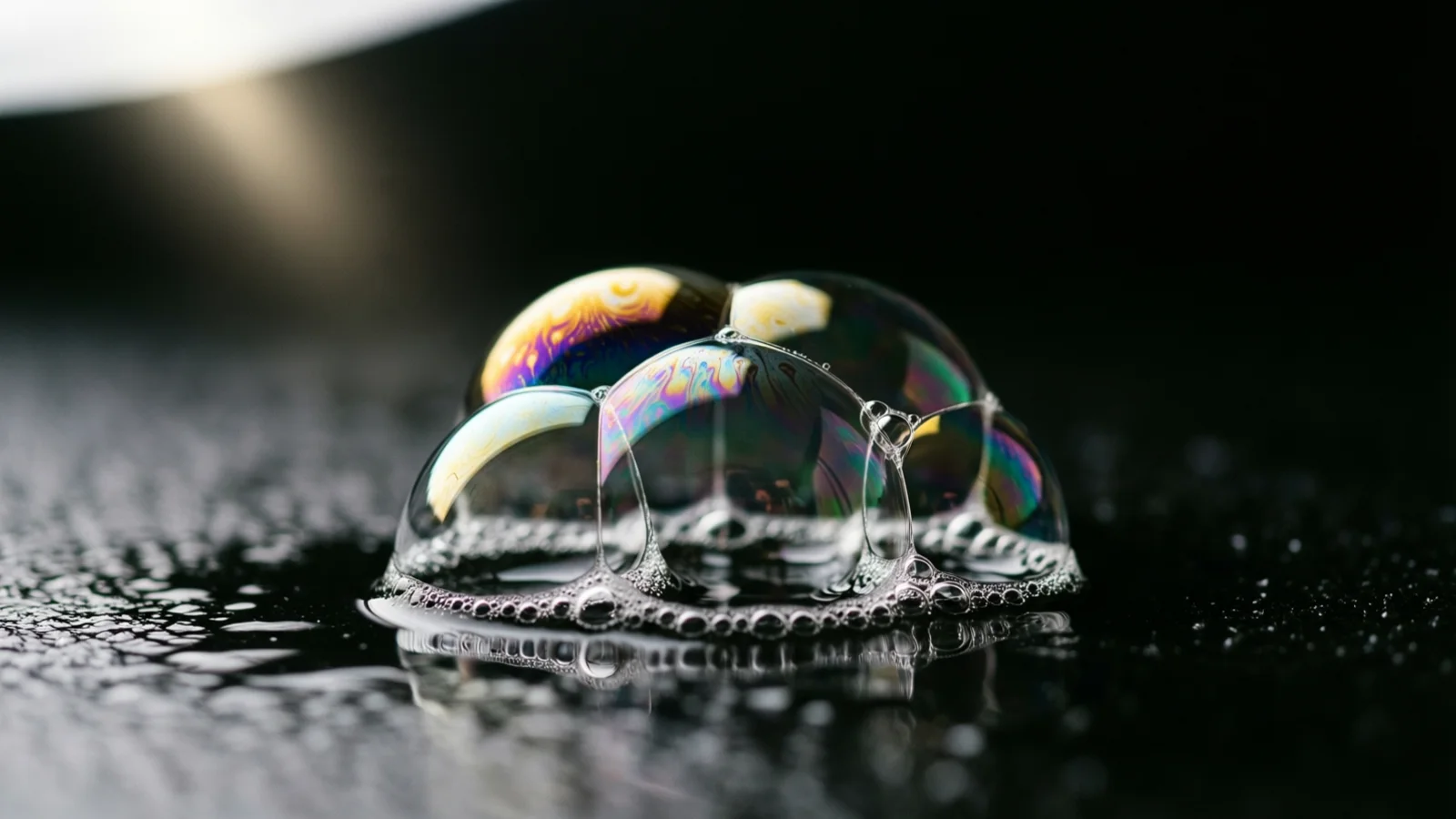
Peptides bind receptors when their shape and chemistry fit a cell protein's binding site.
Ipamorelin is studied for its possible effect on growth hormone (GH) release.
For research peptides, microbial limits testing for peptides counts microbes that grow in set test conditions or checks for named organisms.
Peptide labs keep a small, labelled portion of a material so they can test it again later.

Humidity and hygroscopicity explain why peptide powders cake: water from the air can make their particles cling and form lasting clumps.

For research peptides, Kisspeptin-10 storage and peptide stability in solution depend on the peptide's form, mixing liquid, container, and test.
Ranked by how many primary sources each article cites. We do not measure readership, so nothing here is a popularity chart.
Every article on the site sits in exactly one topic. They are ordered here by how much has been written on each.
What the published research reports on the compounds most often asked about, with the sources first.
How a certificate of analysis is read, what HPLC and mass spectrometry each prove, and where a lot number leads.
Vials, pre-filled pens, reconstitution and measurement. The formats compared on the record.
Cold chain, lyophilised material, and what a temperature excursion does between a freezer and a doorstep.
Customs paperwork, transit windows, and what happens to a parcel between the lab and the address on it.






































































































Research pass
Verify an email address to get 10% off a first order and the new research notes as they publish.